ProDentim Ingredients: What the Public Formula Story Actually Says
Affiliate disclosure: This article may include affiliate links to the official ProDentim offer (tinyurl.com/prodentim-special-deal). We are compensated if you purchase through those links. Compensation does not authorize medical claims. ProDentim is an oral probiotic dietary supplement positioning—not a cure, not an FDA-approved drug, and not a replacement for brushing, flossing, or dental treatment.
Ingredient pages are where oral probiotic brands either earn trust or lose it. Shoppers want to know which strains are included, whether doses are disclosed, and how much of the sales narrative is grounded in general microbiome science versus product-specific proof. This guide sticks to ProDentim’s public positioning and keeps that distinction explicit.
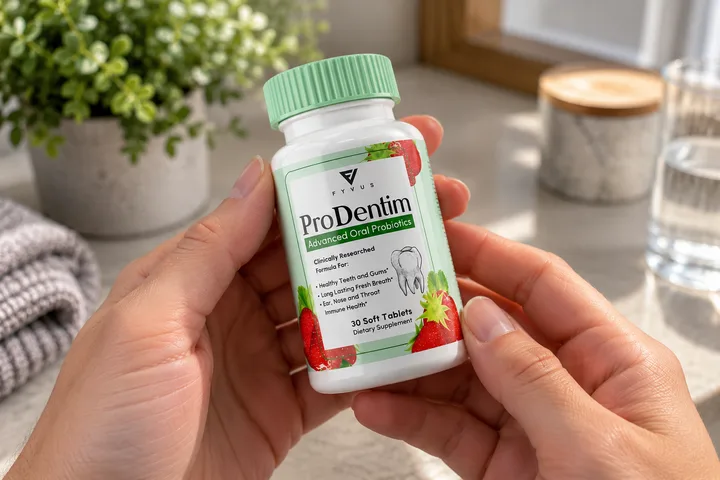
CHECK CURRENT PRODENTIM PRICE →
Snapshot: ingredients commonly highlighted
| Ingredient | Positioning role | What buyers should note |
|---|---|---|
| Lactobacillus paracasei | Oral probiotic strain | Dose/CFU often undisclosed in summary materials |
| Lactobacillus reuteri | Oral probiotic strain | Dose/CFU often undisclosed in summary materials |
| Bifidobacterium lactis BL-04 | Probiotic strain (oral/gut contexts) | Dose/CFU often undisclosed in summary materials |
| Inulin | Prebiotic fiber support | Amount often undisclosed in summaries |
| Malic acid | Chewable / oral-care adjunct | Amount often undisclosed in summaries |
| Tricalcium phosphate | Mineral support in oral formulas | Amount often undisclosed in summaries |
Full product context lives on our ProDentim review. Pricing and packages are covered separately at price & where to buy.
Why an “oral probiotic” angle is different
Most dietary supplements ignore the mouth except as a swallow path. ProDentim’s marketing leans into the idea that beneficial bacteria may support oral microbiome balance when delivered as a chewable. That concept is more differentiated than generic “tooth enamel mineral” ads, and it maps to a real research domain: the oral microbiome. High-level scientific browsing is available through NCBI and PubMed.
Differentiation, however, is not validation. A chewable format and named strains create a plausible story. They do not, by themselves, prove a branded finished product will change cavity rates, reverse periodontal disease, or replace professional care.
Think of the ingredient deck as a map of intent. ProDentim intends to compete in the oral probiotic lane. Maps are useful; they are not the territory. The territory would be transparent dosing, stability data, and finished-product outcomes measured in defined populations. Until those are easy for consumers to verify, restraint is the adult response.
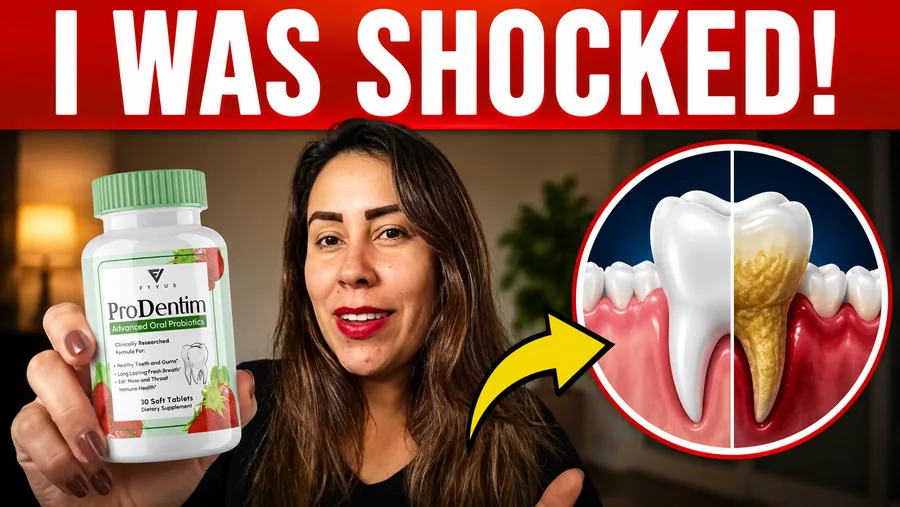
Lactobacillus paracasei
L. paracasei appears frequently in probiotic discussions, including oral-health–adjacent research contexts at the strain and category level. In ProDentim’s public story, it is positioned as part of the oral probiotic blend. What consumer summary materials often fail to provide is the exact CFU contribution of this strain inside the finished chewable.
Buyer translation: the name is meaningful for category fit; the missing dose limits apples-to-apples comparison with study protocols. If a paper used a different CFU, delivery vehicle, or population, you cannot assume the same outcome from a retail bottle with incomplete disclosure.
That limitation is not unique to ProDentim, but it is material. Strain identity without quantity is like listing “flour” on a recipe card without cups—directionally informative, operationally incomplete.
Lactobacillus reuteri
L. reuteri is another widely discussed Lactobacillus species in probiotic literature. Marketing for oral formulas sometimes highlights this genus/species because researchers have explored oral and gastrointestinal applications in various study designs. Again, that is ingredient-category interest—not a guarantee that ProDentim’s specific preparation matches any particular paper’s methods or outcomes.
We deliberately do not invent paper titles or clinical results for ProDentim. If you want primary literature, search strain names on PubMed and read methods carefully (dose, duration, population, endpoints). Skimming abstracts and projecting them onto a chewable ad is how consumer confusion starts.
CHECK CURRENT PRODENTIM PRICE →
Bifidobacterium lactis BL-04
BL-04 is a named Bifidobacterium strain that shows up in probiotic formulas discussed across gut and broader wellness contexts. Including a named strain (rather than a vague “proprietary probiotic blend” with no identifiers) is a transparency plus at the labeling-story level. The remaining gap is quantitative: without clear CFU disclosure in the summaries used for this review, shoppers still cannot confirm how much BL-04 they are getting per serving.
Named strains also create a false sense of precision if buyers assume “BL-04 on the label” equals “the exact protocol from a study you liked online.” Manufacturing, shelf life, and chewable matrix design all influence what actually reaches the mouth in viable form.
Inulin
Inulin is a prebiotic fiber commonly used to support probiotic marketing narratives—“food” for beneficial bacteria. In oral chewables, it may also affect texture and taste. Fiber tolerance varies; some people notice digestive changes when increasing prebiotic intake from any source. Amounts in ProDentim summary materials reviewed here were not clearly disclosed.
Prebiotics are not inherently “better in higher amounts.” Comfort, diet context, and individual tolerance matter more than slogan intensity.
Malic acid
Malic acid appears in many foods and oral-care adjacent products. In chewables, it can influence tartness and sensory profile. Some oral-care marketing associates fruit acids with surface feel or cleanliness perceptions; that is not the same as proving enamel safety outcomes for every formula and use pattern. Dose disclosure in public summaries is typically limited.
If you are sensitive to acidic flavors or have dental erosion concerns, discuss oral-care product choices with a dental professional rather than treating a chewable acid as automatically benign or automatically harmful based on internet anecdotes alone.
Tricalcium phosphate
Tricalcium phosphate is a mineral ingredient often listed in oral or nutritional formulas for calcium/phosphate support positioning. It is not a probiotic. Its presence rounds out a “mouth wellness” story but should not be read as regenerative dental therapy. As with other supporting compounds here, milligram amounts were often undisclosed in the summary materials used for this analysis.
Mineral names on a label can sound clinical. They still do not authorize skipping professional evaluation for cavities, gum disease, or tooth sensitivity that interferes with eating or sleep.
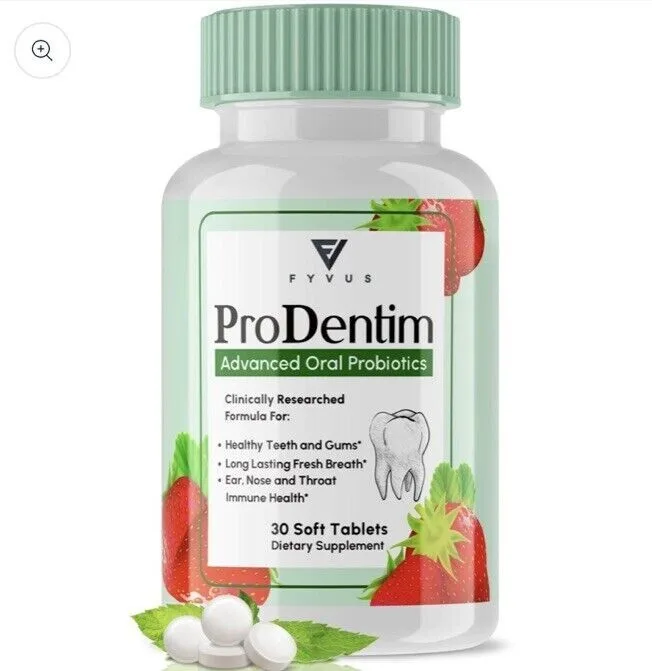
The dose transparency problem (the real bottleneck)
Named strains without amounts create a familiar supplement dilemma:
- You can verify the identity of ingredients at a marketing level.
- You often cannot verify whether amounts resemble those used in independent research.
- You cannot easily compare ProDentim milligram-for-milligram or CFU-for-CFU against competing oral probiotics.
That does not automatically make a product “fake.” It does make aggressive outcome claims harder to justify. Our editorial stance: treat ProDentim as a complementary oral-wellness probiotic experiment, not as evidence-graded dental therapy.
When brands do publish clearer Supplement Facts panels, sophisticated buyers still ask about viability through the end of shelf life—not only CFU at manufacture. Those questions are fair for any live-culture product category.
Ingredient research ≠ finished-product evidence
A responsible reading of the science looks like this:
- Oral microbiomes are a legitimate research field.
- Individual strains have been studied in varied settings with mixed endpoints.
- Commercial blends must be judged on their own disclosures, manufacturing quality signals, and—ideally—product-specific trials.
- Public materials for many DTC oral probiotics, including summaries used here for ProDentim, leave important quantitative details thin.
If a sales page implies that citing probiotic science is the same as proving ProDentim’s finished formula, that is a leap. Keep brushing. Keep flossing. Keep dental appointments.
It also helps to remember that oral outcomes are multifactorial. Diet, saliva flow, orthodontic appliances, tobacco use, mouth breathing, medications that cause dry mouth, and the quality of mechanical plaque removal can overshadow any chewable supplement. Ingredients cannot outrun those variables. That is why our language stays in the complementary lane even when strain names sound sophisticated.
If you compare ProDentim with other oral probiotics, build a simple scorecard: named strains, CFU disclosure, prebiotic companions, third-party testing claims, return policy length, and per-day cost after bundle math. The brand that wins on one axis may lose on another. Our pricing guide and complaints overview fill in the commercial side of that scorecard.
CHECK CURRENT PRODENTIM PRICE →
Who should be extra cautious with probiotic formulas
- People who are immunocompromised or have complex medical histories should consult a clinician before using probiotics.
- Anyone with active dental infection, abscess symptoms, or unexplained oral pain needs professional care first—not a chewable experiment.
- Buyers who require full Supplement Facts transparency before spending should verify the latest label rather than relying only on ad copy.
- Pregnant or nursing people should ask a clinician before starting new supplements as a default habit—not because ProDentim is uniquely risky, but because personal medical context always comes first.
Practical ingredient takeaways
- ProDentim’s public ingredient story is coherent for an oral probiotic chewable.
- Core strain names: L. paracasei, L. reuteri, B. lactis BL-04.
- Support compounds often listed: inulin, malic acid, tricalcium phosphate.
- Doses are frequently undisclosed in consumer summary materials—plan your expectations accordingly.
- No ingredient list turns a supplement into an FDA-approved dental drug or a substitute for hygiene.
Related reading: reviews & complaints · video review · official offer check current pricing.
CHECK CURRENT PRODENTIM PRICE →
FAQ
Does ProDentim publish every CFU amount in ads?
Public summary materials used for this review often leave CFU/mg details incomplete. Always check the label that ships with your bottle.
Are these ingredients a cure for gum disease?
No. Do not interpret strain names as a cure claim. Seek dental care for suspected periodontal disease.
Is the formula “natural,” and does that matter?
“Natural” is a marketing word, not a safety or efficacy certificate. Evaluate disclosure, your health context, and realistic goals instead.
Should I stop using fluoride toothpaste if I try ProDentim?
No. An oral probiotic chewable does not replace evidence-based hygiene basics recommended by dental professionals.