Yu Sleep Ingredients Breakdown: What’s Disclosed and What Isn’t
Affiliate disclosure: We may earn a commission if you buy through the official Yu Sleep offer. Ingredient analysis below follows public formula materials and general nutrition science—not paid clinical endorsement.
Yu Sleep’s marketing leans on familiar sleep and relaxation names. The label story that matters for evidence-minded shoppers is different: melatonin is disclosed at 0.9 mg, B vitamins are listed, and most other actives sit inside a 637 mg proprietary blend. That blend structure is the central limitation of this formula. This page walks through each named component, then explains why “ingredient research” is not the same as “Yu Sleep research.”
CHECK TODAY'S YU SLEEP OFFER →
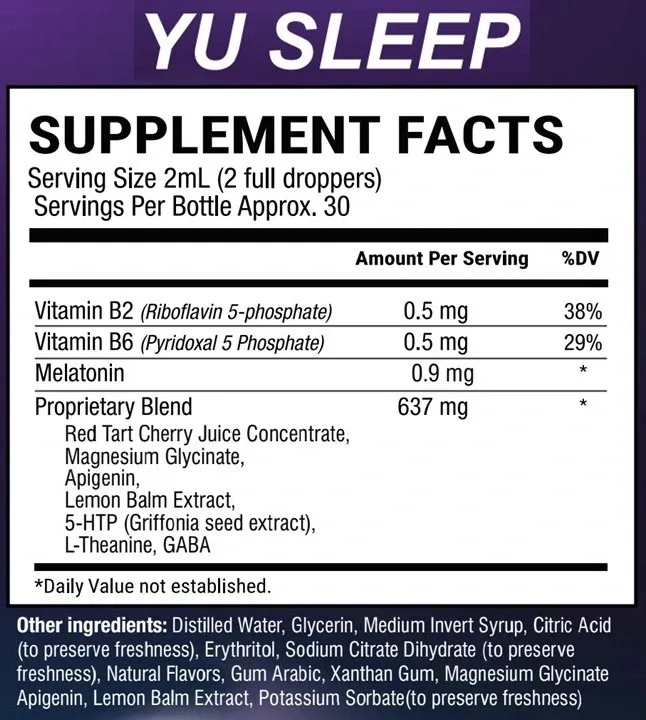
Formula snapshot
| Listed component | Placement | Dose status (public materials) |
|---|---|---|
| Melatonin | Outside / disclosed active | 0.9 mg |
| Vitamin B2 (riboflavin) | Vitamin line | Listed; verify exact amount on label |
| Vitamin B6 | Vitamin line | Listed; verify exact amount on label |
| Red tart cherry juice concentrate | Proprietary blend | Undisclosed individually |
| Magnesium glycinate | Proprietary blend | Undisclosed individually |
| Apigenin | Proprietary blend | Undisclosed individually |
| Lemon balm extract | Proprietary blend | Undisclosed individually |
| 5-HTP | Proprietary blend | Undisclosed individually |
| L-theanine | Proprietary blend | Undisclosed individually |
| GABA | Proprietary blend | Undisclosed individually |
| Proprietary blend total | — | 637 mg combined |
Full product context: Yu Sleep review. Purchase tiers: price & where to buy.
Melatonin — 0.9 mg
Melatonin is the most clearly quantified sleep-related ingredient on the Yu Sleep story we reviewed. At 0.9 mg, it sits on the lower side of many retail melatonin products, which sometimes jump to 3 mg, 5 mg, or higher. Lower doses are sometimes preferred by people who experienced morning hangover on larger amounts; others feel little effect at sub-1 mg levels. Individual response varies widely.
Important framing: melatonin is a timing/signaling aid for many users, not a sedative “knockout” drug, and it is not a cure for insomnia. Circadian research is extensive at the ingredient level (see literature indexed via NCBI), but dose, timing, and light exposure still matter more than brand names.
Vitamins B2 and B6
Riboflavin (B2) and vitamin B6 appear as listed vitamins in public formula materials. They are essential nutrients with broad metabolic roles. B6 in particular shows up in many mood- and sleep-adjacent supplement stacks. That does not mean the Yu Sleep vitamin amounts are therapeutic for a deficiency you have not measured. Treat them as supporting micronutrients unless the label shows notably high doses—and verify those numbers yourself.
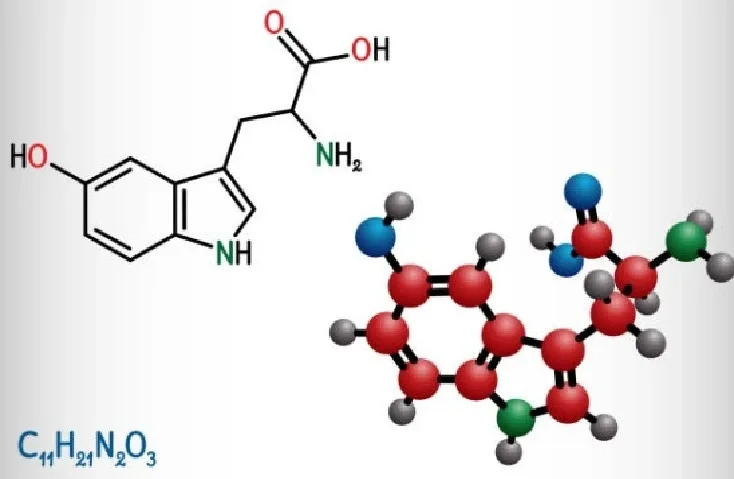
The 637 mg proprietary blend — the real con
Seven ingredients share 637 mg. Label law allows proprietary blends to list components without revealing each amount, typically in descending order by weight. Even with order cues, you still cannot know whether magnesium glycinate is a meaningful serving or a sprinkle—or whether L-theanine matches amounts used in human studies.
Why this is a genuine drawback for research comparison:
- You cannot check dose-response against published trials.
- You cannot titrate one compound without changing the whole liquid serving.
- You cannot tell which blend member—if any—drives your personal response.
- “Clinically studied ingredient” marketing can be true for the compound class and still misleading for this bottle’s dose.
That opacity is the editorial spine of our Yu Sleep coverage. Convenience does not erase it.
CHECK TODAY'S YU SLEEP OFFER →
Blend ingredients, one by one
Red tart cherry juice concentrate
Tart cherry appears in sleep and recovery marketing, sometimes linked to natural melatonin content or antioxidant profiles in ingredient-level discussions. Concentrate amounts in proprietary blends are rarely comparable to the volumes used in beverage studies. Without a milligram (or ml-equivalent) disclosure, treat cherry as a supporting botanical name—not a quantified intervention.
Magnesium glycinate
Magnesium glycinate is a popular nighttime form because it is often discussed as gentle on the stomach relative to some other salts. Magnesium research related to sleep and relaxation exists, but effective supplemental elemental magnesium in studies is typically discussed in clear milligram terms. Inside a shared 637 mg blend, elemental magnesium could be substantial or trivial. You simply cannot audit it from the blend total alone.
Apigenin
Apigenin is a flavonoid associated with plants such as chamomile and is frequently mentioned in relaxation-oriented stacks. Human dose standards for isolated apigenin in sleep products are not something consumers can casually match without label clarity. Here, amount unknown.
Lemon balm extract
Lemon balm (Melissa officinalis) is a traditional calming herb. Extract strength depends on standardization (if any) and milligrams. Proprietary placement prevents that check.
5-HTP
5-HTP is a serotonin-pathway related compound. It is not casual candy: combinations with serotonergic medications can be inappropriate. Because the dose is undisclosed, risk assessment and benefit assessment are both harder. If you take antidepressants or related drugs, clinician guidance is essential before using 5-HTP-containing products.
L-theanine
L-theanine, an amino acid associated with tea, appears often in calm-focus and sleep-adjacent research discussions. Studied supplemental amounts are usually stated explicitly in primary literature. Unknown blend share means unknown alignment with that research.
GABA
GABA is marketed widely for relaxation. Questions remain in the broader nutrition conversation about oral GABA’s pathways and consistency of effect. Regardless of that debate, undisclosed dosing still prevents product-level comparison.
Ingredient research ≠ finished-product proof
It is fair to say Yu Sleep uses a recognizable sleep-support vocabulary. It is not fair to say the finished liquid has product-level clinical proof that it treats insomnia or repairs sleep disorders. Those are medical problems. Dietary supplements occupy a different regulatory and evidence lane.
A disciplined reading order:
- What doses are disclosed? (Melatonin yes; most blend actives no.)
- Do those doses resemble researched ranges? (Only possible for disclosed numbers.)
- Is there a trial on Yu Sleep itself? (Do not assume marketing equals a peer-reviewed product study.)
- Does your personal situation need medical care first?
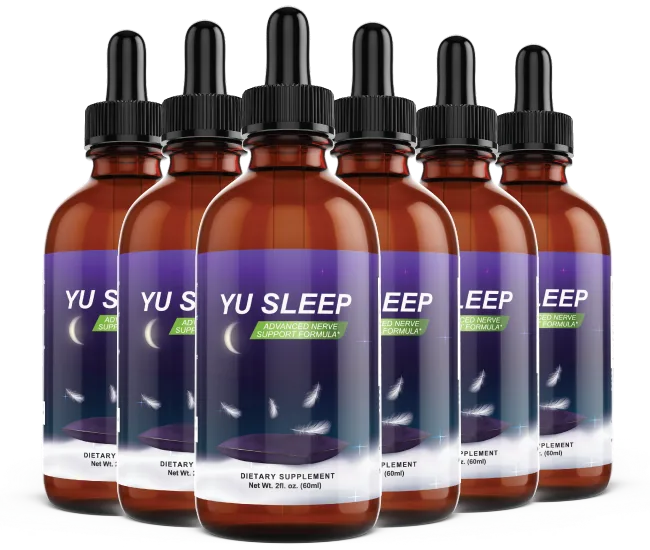
Practical label checklist before you buy
- Confirm melatonin still reads 0.9 mg on the live label.
- Note B2/B6 amounts and % Daily Value.
- Read the proprietary blend order and total (637 mg in materials reviewed).
- Scan allergen statements, other ingredients, and serving size for the dropper.
- Cross-check warnings if you use medications or have kidney, mood, or pregnancy-related considerations.
Who benefits most from reading the label this way
If you are comparing Yu Sleep to a bottle of standalone magnesium glycinate or a simple melatonin tablet, this label-first method favors the simpler products on auditability. If you want one liquid that combines several popular nighttime names and you accept not knowing each milligram, Yu Sleep’s structure may still be acceptable—provided you treat outcomes as personal experiments, not guaranteed physiology.
Pharmacists and clinicians reviewing your stack will also ask about 5-HTP and melatonin overlap with prescriptions. Bring the Supplement Facts panel to that conversation. A proprietary blend total of 637 mg is not a substitute for a clear medication-reconciliation list.
What we are not claiming about these ingredients
- We are not claiming Yu Sleep’s blend amounts match any specific clinical trial.
- We are not claiming oral GABA, apigenin, or tart cherry concentrate will produce a defined sleep-architecture change in this formula.
- We are not claiming B vitamins correct a deficiency without lab context.
- We are not claiming the liquid format makes undisclosed doses irrelevant.
Those non-claims keep this page aligned with responsible supplement journalism: name what is on the label, separate general science from product proof, and spotlight the proprietary-blend gap as a consumer-relevant con. Shoppers who need milligram-level certainty should treat that gap as disqualifying rather than a minor footnote.
Bottom line on ingredients
After this label walkthrough, the practical next reads are the flagship Yu Sleep review for pros/cons context and the pricing guide if you are weighing bundle size against an uncertain personal response.
Yu Sleep’s strongest transparency point is disclosed melatonin at 0.9 mg. Its weakest is the catch-all 637 mg blend that houses magnesium glycinate, L-theanine, GABA, 5-HTP, lemon balm, apigenin, and tart cherry without individual amounts. If you prioritize auditability, this formula will frustrate you. If you prioritize a ready-made liquid stack and accept that trade-off, go in with eyes open—and keep medical sleep issues in clinical care.
For how buyers talk about results and refunds, see reviews & complaints. For a short overview, see the video review.