Yu Sleep Reviews & Complaints: A Buyer’s Verification Guide
Affiliate disclosure: We may earn a commission from qualifying purchases through the official Yu Sleep offer. Commissions do not buy positive testimonials, and we do not invent complaint statistics.
People searching “Yu Sleep reviews” or “Yu Sleep complaints” usually want one of three things: proof it works, proof it is a scam, or help deciding whether a refund is worth the hassle. This page is written for that verification mindset. It is not a dump of fabricated star ratings, and it does not claim that anonymous comments represent clinical outcomes.
CHECK TODAY'S YU SLEEP OFFER →
Start with expectations, not testimonials
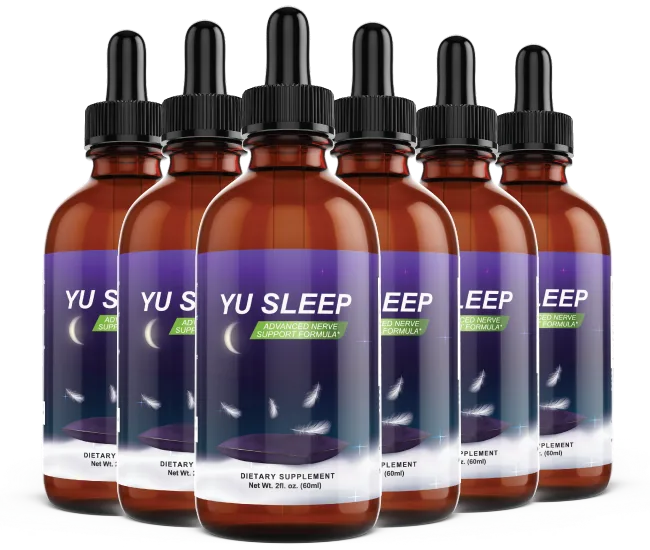
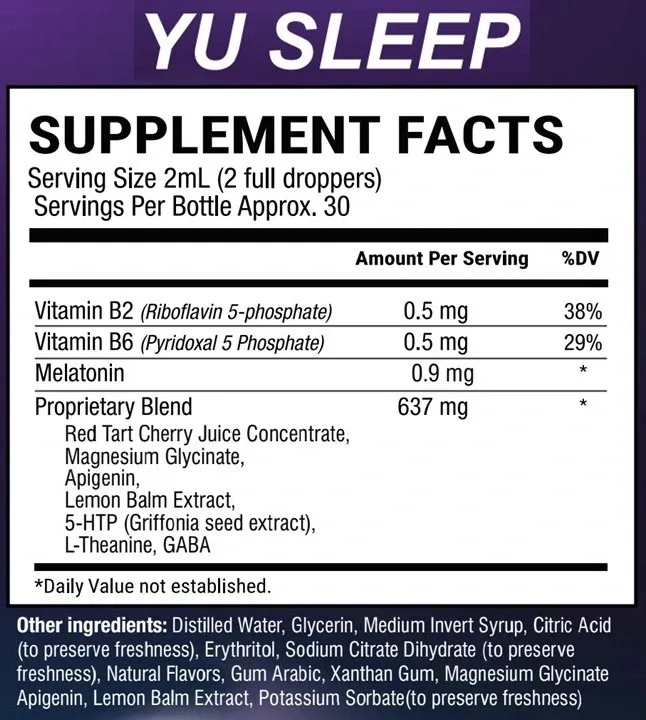
Yu Sleep is a liquid/dropper sleep-support dietary supplement. Public formula materials describe 0.9 mg melatonin, vitamins B2 and B6, and a 637 mg proprietary blend (red tart cherry, magnesium glycinate, apigenin, lemon balm, 5-HTP, L-theanine, GABA). That profile can reasonably be discussed as a nighttime wellness product. It should not be framed as a cure for insomnia or a treatment for sleep disorders.
When reviews sound like miracle turnarounds—“fixed my chronic insomnia in two nights”—treat them as marketing-adjacent anecdotes, not evidence. When reviews sound like total failure after one dose, remember that sleep is multifactorial: caffeine, stress, light, alcohol, medications, and undiagnosed apnea often dominate.
For the full product analysis, see our Yu Sleep review. For dose transparency issues, see ingredients.
Complaint themes common to direct-to-consumer sleep supplements
We are not attributing the following themes as verified percentages for Yu Sleep specifically. They are patterns frequently seen across DTC sleep products and useful as a checklist while you read feedback:
- Expectation mismatch: Buyers hoped for prescription-like sedation or a fix for long-standing insomnia.
- “No effect” reports: Especially from people with high caffeine intake, irregular schedules, or untreated sleep disorders.
- Next-day grogginess or vivid dreams: Sometimes discussed with melatonin-containing products; individual responses vary.
- Taste or dropper inconvenience: Liquids live or die on flavor and measuring comfort.
- Shipping or refund friction: Timing, return windows, and customer-service responsiveness.
- Bundle pressure: Frustration after buying a large supply that sits unused.
If you encounter a review site that only shows five-star quotes with no methodology, weight it lightly. The same applies to rage-bait “exposé” pages that never cite verifiable order terms.
What the proprietary blend means for “it didn’t work” complaints
A major editorial point in our coverage is that most actives share one 637 mg proprietary blend. That design limits research comparison and also complicates complaint interpretation. Someone who “needed more magnesium” or “needed a studied L-theanine dose” cannot confirm what they received. Under-dosing relative to research, over-dosing relative to personal tolerance, or simply not matching the person’s sleep problem are all possible—and none can be verified from marketing copy alone.
In other words: mixed reviews are expected when dose transparency is incomplete and when the product is not a medical therapy.
CHECK TODAY'S YU SLEEP OFFER →
How to verify a review source
- Check incentives. Affiliate sites (including this one) should disclose relationships. Undisclosed paid endorsements are a red flag.
- Look for specifics. Useful comments mention serving timing, concurrent habits, and duration of use—not just “amazing sleep.”
- Separate shipping gripes from formula gripes. Late packages do not prove a blend is ineffective.
- Prefer primary documents. Order confirmation, official refund policy text, and the Supplement Facts panel beat screenshots of unknown origin.
- Watch for medical overclaim. Any review promising cured sleep apnea or permanent insomnia resolution is unreliable.
Refunds, guarantees, and complaint escalation
Official offer materials we reviewed describe a 60-day money-back guarantee. That window is the practical safety net for buyers who try Yu Sleep and decide it is not for them—provided they follow the seller’s instructions.
Before you buy or before you complain:
- Save the checkout page terms and order email.
- Note the guarantee end date on your calendar.
- Ask whether opened bottles are covered and what return shipping rules apply.
- Contact official support channels listed on your receipt, not random social accounts.
If a third-party marketplace seller is involved, refund rules may differ from the official 60-day offer. That is one reason we point buyers toward the official Yu Sleep offer when authenticity and guarantee access matter. Pricing context lives on our price & where to buy page.
Scam accusations vs. normal supplement skepticism
“Scam” is a heavy word. It usually fits false advertising, non-delivery after payment, or bait-and-switch billing—not “I still wake at 3 a.m.” A product can be a legitimate retail supplement and still be a poor match for your biology or expectations.
Healthier skepticism sounds like:
- Does the label match the landing page?
- Are individual blend doses disclosed?
- Is the company reachable for refunds?
- Are claims limited to structure/function sleep support rather than disease treatment?
On those axes, Yu Sleep should be evaluated as a DTC sleep formula with a transparency gap in the blend—not as a guaranteed sleep repair system.
Who should skip Yu Sleep based on complaint patterns
Consider skipping or pausing if:
- You need a diagnosis-first path for suspected sleep apnea or chronic insomnia.
- You refuse proprietary blends on principle.
- You are combining multiple serotonergic or sedating products without clinician input (5-HTP and melatonin warrant care).
- You only buy products with published finished-product clinical trials.
Sleep hygiene still outranks any dropper
Even generous testimonials cannot override basics: consistent bed and wake times, morning light, limited late caffeine, cooler dark rooms, and a wind-down buffer without bright screens. If those foundations are missing, Yu Sleep reviews will look noisier because the supplement is being asked to compensate for environment and behavior. Pair any trial with one or two hygiene changes so you can interpret results more fairly within the 60-day window.
Likewise, alcohol close to bedtime and variable shift schedules can erase subtle effects from melatonin or calming botanicals. When reading complaints, check whether the reviewer mentioned those confounders. Silence on habits makes “it did nothing” harder to interpret.
How this desk uses complaints ethically
We do not scrape unverified forums to invent a score. We outline verification steps, separate logistics issues from formula issues, and keep disease-treatment language out of the product story. That approach is slower to read than a fake “87% five-star” badge—and more honest for U.S. shoppers comparing sleep supplements in 2026.
Balanced takeaway
Reviews will disagree because sleep outcomes disagree. Complaints about taste, null effects, or refund logistics are the kinds of issues DTC shoppers should anticipate—not proof of a single universal verdict. Keep medical problems in medical channels. Keep Yu Sleep in the “optional wellness experiment with a refund window” category.
Want a concise visual summary while you decide? Watch the Yu Sleep video review.
CHECK TODAY'S YU SLEEP OFFER →
FAQ
Are Yu Sleep complaints proof it does not work?
No. Individual non-responders are common with sleep supplements, especially when expectations are medical-grade and dosing inside a blend is opaque.
Where should I report a real billing or delivery problem?
Start with the official order support contacts on your receipt. For unresolved payment disputes, your card issuer or relevant consumer channels may apply—document everything.
Do you publish fake positive reviews?
No. This page intentionally avoids invented testimonials and fabricated complaint counts.